Fotografiar Torres del Paine: guía de temporadas y ubicaciones
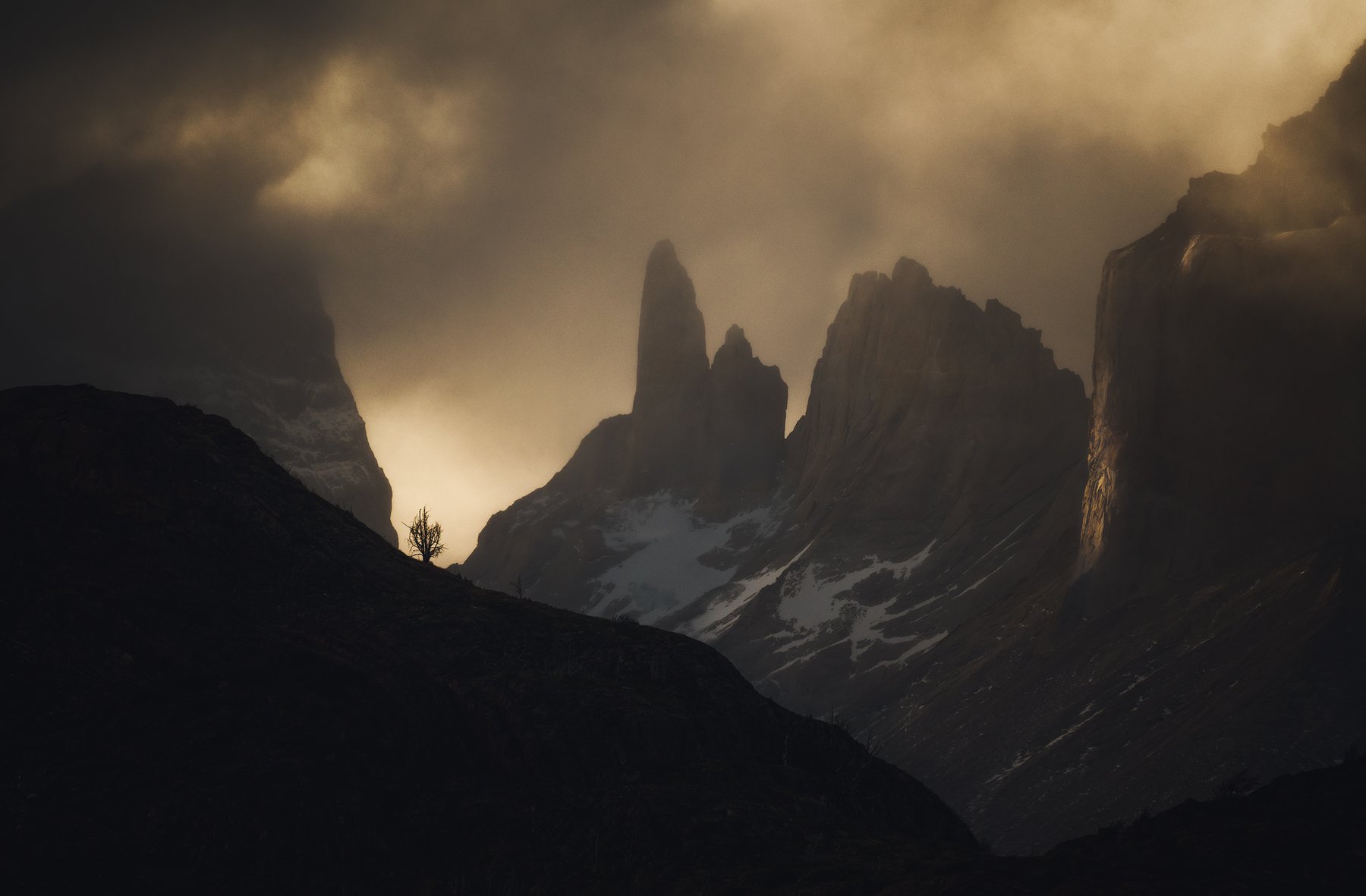
Para fotografiar bien Torres del Paine, la mejor época es el otoño austral (marzo a mayo): el bosque de lenga se enciende en rojos y naranjos, el viento amaina respecto del verano y hay muchísima menos gente frente a las Torres al amanecer. Dicho eso, cada estación ofrece una imagen distinta del parque, y la ubicación correcta importa tanto como el mes. Esta guía es lo que le cuento a quienes vienen conmigo a la Patagonia.
Las cuatro temporadas, en imágenes
Otoño (marzo–mayo): mi favorita
Es la temporada por la que armo mi expedición. La lenga cambia de color y tiñe las laderas; el aire está más quieto que en verano, lo que permite reflejos limpios en los lagos al amanecer; y la afluencia baja de forma notoria. La luz es más baja y cálida durante más horas del día, lo que da margen para trabajar con calma. La contra: los días se acortan y hay que estar atento al clima, que cambia rápido.
Invierno (junio–agosto): soledad y nieve
El parque nevado, casi vacío, con los Cuernos espolvoreados de blanco es una de las imágenes más potentes que existen de la Patagonia. A cambio: días muy cortos, frío real, algunos servicios y sectores cerrados o con acceso limitado, y logística más exigente. Es para quien busca una toma específica y sabe lo que hace.
Verano (diciembre–febrero): luz eterna y viento feroz
El verano austral regala hasta unas 17 horas de luz y amaneceres/atardeceres larguísimos, pero es también la temporada de más viento —rachas que pueden superar los 100 km/h— y de más visitantes. Si vienes en verano, madruga: a las Torres al amanecer todavía se llega antes que la multitud, y el viento suele estar más calmo en las primeras horas.
Primavera (septiembre–noviembre): transición
Cielos variables, nieve fundiéndose, primeros verdes y el viento empezando a apretar. Es una temporada de contrastes que puede dar tomas espectaculares si tienes flexibilidad para esperar la ventana de luz correcta.
Las ubicaciones que no me pierdo
Base de las Torres, al amanecer
La toma icónica. La caminata hasta el mirador de la Base toma varias horas de subida, así que para el amanecer hay que partir de noche con frontal. La recompensa es el "alpenglow": los primeros minutos de sol golpean las tres torres de granito y las encienden de rojo-rosado sobre la laguna. Es breve —a veces menos de diez minutos— y depende del cielo, por eso conviene intentarlo más de un día si el clima no acompaña.
Lago Pehoé y los Cuernos
La postal clásica de los Cuernos del Paine reflejados. Es un punto accesible, ideal para amanecer y atardecer, y funciona incluso con viento si buscas el drama del agua movida. Excelente para composiciones panorámicas horizontales.
Salto Grande y Lago Nordenskjöld
La cascada de Salto Grande con los Cuernos de fondo permite jugar con velocidades de obturación lentas (trae filtro ND y trípode robusto). El mirador sobre el Nordenskjöld da una de las vistas más amplias del macizo.
Glaciar Grey
Los témpanos desprendidos flotando en el lago y el frente del glaciar son un mundo aparte, con azules que no se ven en otro lugar. Requiere navegación o caminata, pero vale cada minuto.
Cómo trabajar con el viento (porque va a haber viento)
- Trípode bajo y pesado: baja la columna central, abre bien las patas y cuelga peso del gancho si lo tiene.
- Cuerpo entre el viento y la cámara: úsate a ti mismo de escudo en las ráfagas.
- Velocidades más altas cuando no busques barrido: el viento vibra el equipo aunque el trípode sea bueno.
- Protege el sensor: cambia lentes de espaldas al viento para evitar polvo y arena.
Equipo mínimo que recomiendo
Un gran angular para los macizos y un tele corto (70–200) para comprimir las torres contra el cielo; filtros ND y polarizador; trípode sólido; ropa técnica por capas y frontal para las salidas nocturnas. Más que el cuerpo de cámara, lo que hace la diferencia acá es llegar al lugar correcto a la hora correcta.
Ir con guía
Conocer los tiempos de caminata, las ventanas de luz y los puntos exactos ahorra días de ensayo y error —y en Patagonia el tiempo de buena luz es escaso. Por eso hago mi expedición fotográfica de otoño en Patagonia: te llevo a estos puntos en el momento correcto para que vuelvas con imágenes de portafolio. Y cuando tengas la toma, en la guía de impresión fine art explico cómo llevarla a la pared. Puedes ver obras mías de la región en la tienda.
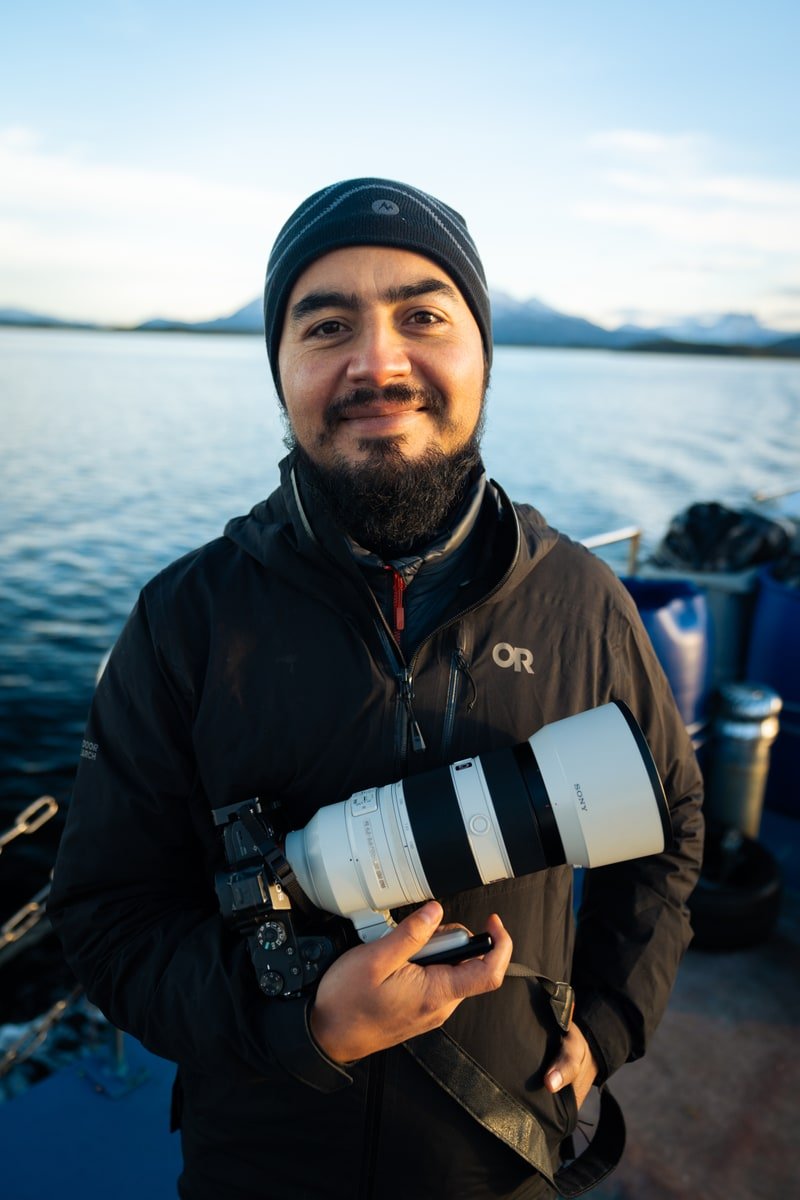
Rodrigo Viveros
Fotógrafo fine art de paisaje y naturaleza, Chile. Sobre mí