Licencias de uso de fotografía: guía para marcas y agencias en Chile
Una licencia de uso es el permiso que una marca o agencia obtiene del fotógrafo para usar una imagen comercialmente durante un tiempo, en un medio y un territorio definidos —sin comprar el original ni adquirir la propiedad de la obra. Es el mecanismo legal correcto para que una empresa use fotografía profesional en su comunicación. Si trabajas en una marca o agencia en Chile y necesitas imágenes, esto es lo que conviene tener claro antes de cotizar.
Licenciar no es lo mismo que comprar
Cuando compras una impresión fine art adquieres un objeto físico para exhibir; no obtienes el derecho a reproducir esa imagen en una campaña. Licenciar es al revés: no te llevas un objeto, obtienes el derecho a usar la imagen según condiciones acordadas. Por eso una misma fotografía puede venderse como print de colección y, en paralelo, licenciarse a una marca: son dos productos distintos sobre la misma obra.
Qué dice la ley chilena
En Chile los derechos de autor se rigen por la Ley N.º 17.336 de Propiedad Intelectual. El punto clave para una marca: el autor de la fotografía es su titular por defecto, y el derecho patrimonial no se transfiere solo porque se pague por una foto o por un encargo —debe pactarse por escrito qué usos se autorizan. En la práctica esto significa que usar una imagen sin una licencia clara expone a la empresa, y que una licencia bien redactada protege a ambas partes. No es burocracia: es lo que evita un conflicto costoso más adelante.
Los cuatro parámetros que definen una licencia (y su precio)
El precio de una licencia no es un número fijo por foto; se construye a partir de cuánto valor de uso obtiene la marca. Cuatro variables lo definen:
- Uso / medio: no es lo mismo un post en redes que una vía pública nacional o el packaging de un producto. A mayor alcance y visibilidad, mayor valor.
- Territorio: solo Chile, Latinoamérica o global. Cuanto más amplio el territorio, más amplia la licencia.
- Duración: seis meses, un año, tres años o a perpetuidad. El tiempo de uso es uno de los mayores multiplicadores del precio.
- Exclusividad: una licencia no exclusiva permite que la imagen se licencie también a otros; una exclusiva impide que la competencia use la misma foto, y ese "candado" tiene un valor propio.
Definir estos cuatro puntos por adelantado hace que la cotización sea rápida y justa, y evita el clásico problema de "pensé que la podía usar para siempre y en todo".
Tipos de licencia más habituales
Editorial
Uso informativo o cultural —una nota, un reportaje, un libro— sin promocionar un producto. Suele ser la licencia más acotada.
Comercial / publicitaria
Uso para promover una marca, producto o servicio: campañas, redes, web, vía pública, packaging. Es la más frecuente para marcas y agencias, y la que más depende de los cuatro parámetros anteriores.
Corporativa / interna
Uso institucional: memorias, presentaciones, espacios corporativos, comunicación interna. Un punto intermedio muy común en empresas.
Cuándo hace falta también un release
Si en la imagen aparecen personas reconocibles o propiedad privada identificable, un uso comercial puede requerir además una autorización de la persona (model release) o del dueño del inmueble (property release), más allá de la licencia sobre la fotografía. En paisaje puro esto rara vez aplica, pero conviene chequearlo cuando la imagen incluye rostros o marcas de terceros.
Cómo trabajamos en Windshaped
Licencio imágenes de mi catálogo para marcas y agencias, y también produzco fotografía y audiovisual B2B a medida cuando la campaña necesita material propio. En ambos casos parto por entender el uso, el territorio, la duración y la exclusividad que necesitas, y sobre eso entrego una cotización clara y una licencia por escrito. Si tienes un proyecto en mente, escríbeme con esos cuatro datos y avanzamos rápido. Puedes ver el tipo de obra que produzco en la tienda y en el portafolio.
Nota: esta guía es orientación general para entender cómo funcionan las licencias, no asesoría legal. Para un contrato específico, conviene revisarlo con un abogado de propiedad intelectual.
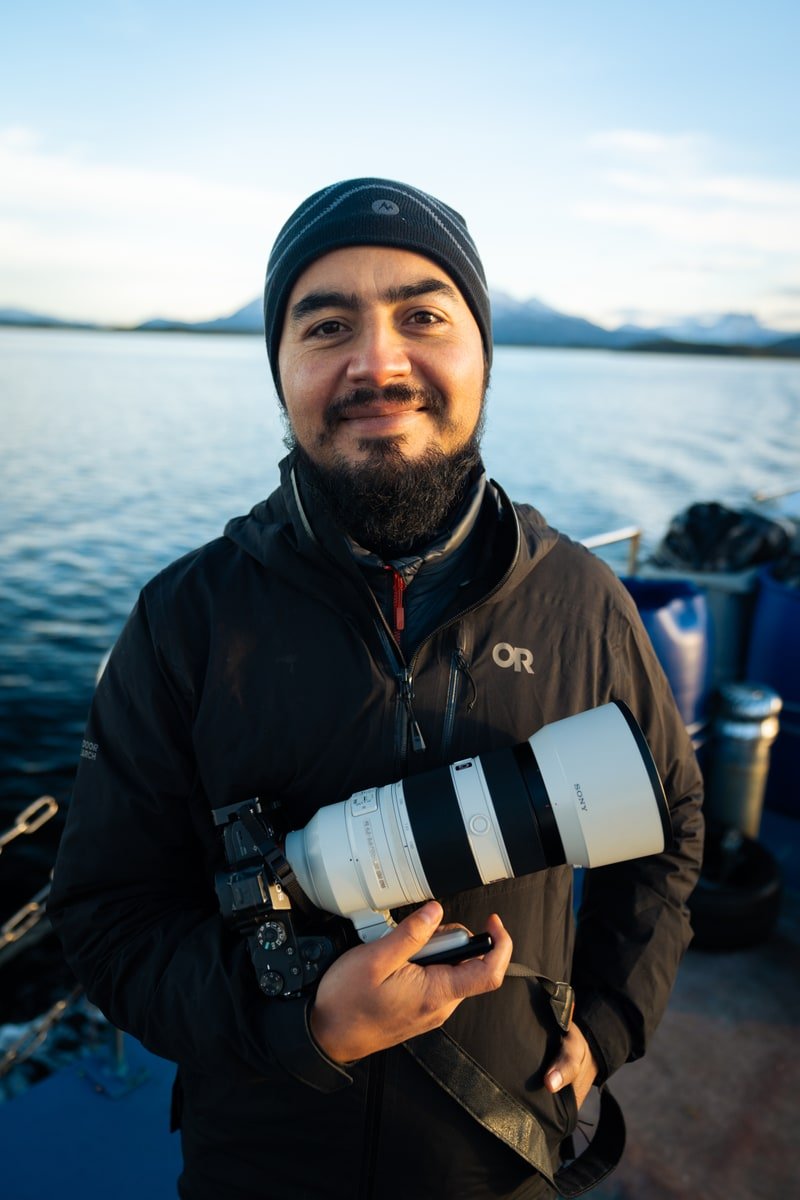
Rodrigo Viveros
Fotógrafo fine art de paisaje y naturaleza, Chile. Sobre mí