Guía de papeles fotográficos: algodón, luster y canvas
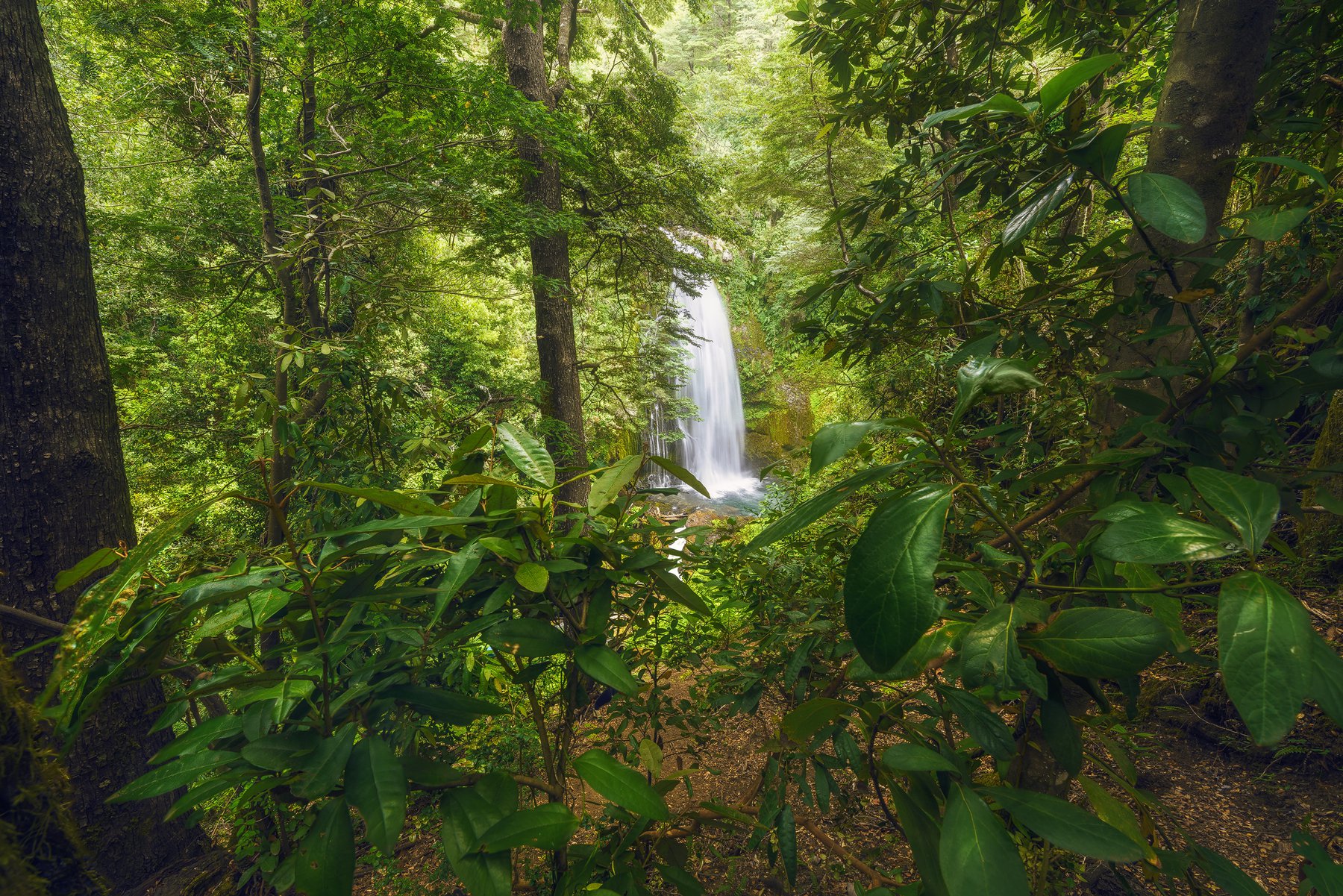
El papel define tanto el resultado de una impresión fine art como la propia fotografía: determina cuán denso es el negro, cuánto detalle sobrevive, cuánto refleja bajo la luz y cuántas décadas dura. Imprimo en tres soportes de grado archivo —algodón mate tipo museo, luster satinado y canvas— y aquí explico qué hace cada uno y cómo elegir sin arrepentirte.
Qué significa "grado archivo"
Un papel de grado archivo está libre de ácido y de blanqueadores ópticos agresivos, y combinado con tintas pigmentadas de calidad puede conservar su color durante décadas sin virar de forma perceptible —los fabricantes de estos soportes hablan de estabilidad de 75 a más de 100 años en condiciones normales de exhibición, lejos de luz solar directa. No es lo mismo que una copia de laboratorio común: es lo que permite que una obra se herede, no que se decolore en cinco años.
Algodón mate tipo museo (cotton rag)
El algodón mate es mi soporte por defecto para paisaje. Es un papel 100% algodón, sin brillo, con una superficie sutilmente texturada que absorbe la luz en lugar de rebotarla. Eso significa cero reflejos: puedes colgarlo frente a una ventana y leerlo desde cualquier ángulo. Su rango tonal es contenido y elegante; los blancos son cremosos y los detalles en las zonas claras respiran. Es el papel que elijo cuando quiero que la obra se sienta serena, atemporal, más cercana a un grabado que a una foto brillante.
Elígelo si
- El espacio tiene mucha luz o focos que producirían reflejos.
- Buscas una estética sobria, de galería, sin brillo.
- La obra vive de sutilezas: nieblas, texturas suaves, cielos.
Luster satinado
El luster (o satinado) es el punto medio entre el mate y el brillo total. Tiene una microtextura fina que reduce reflejos frente al brillo puro, pero conserva negros más densos y una saturación más intensa que el algodón. Donde el mate susurra, el luster afirma. Es el soporte ideal cuando la fuerza de la obra está en el contraste y el detalle profundo —una vía láctea sobre el Atacama, un glaciar con microtexturas de hielo. Rinde especialmente bien tras vidrio en un ambiente de luz controlada.
Elígelo si
- Quieres negros profundos y color intenso.
- La luz del espacio es controlada (no hay focos directos sobre la obra).
- La fotografía es nocturna, de alto contraste o con mucho detalle fino.
Canvas
El canvas transforma la fotografía en un objeto casi pictórico. Se imprime sobre lienzo y se monta en bastidor, sin vidrio, lo que elimina reflejos por completo y aligera la pieza —no hay marco pesado ni cristal. Su textura de tela suma una materialidad que a ciertos paisajes les sienta muy bien, especialmente en formatos grandes que se quieren sentir como una pintura. A cambio, sacrifica algo de detalle fino frente al algodón o el luster: no es el soporte para una obra que dependa de microdetalle milimétrico.
Elígelo si
- Quieres una pieza grande, con presencia, sin vidrio ni reflejos.
- Te gusta la materialidad textil, cercana a la pintura.
- Prefieres un montaje liviano y directo a la pared.
Cómo decido yo el papel de cada obra
No hay un papel "mejor": hay uno correcto para cada combinación de imagen y espacio. Mi criterio rápido es este: si la obra vive de sutilezas y el muro tiene reflejos, algodón mate; si vive del contraste y la luz está controlada, luster; si quiero presencia grande y materialidad sin vidrio, canvas. Cuando una obra funciona en más de un soporte, lo conversamos según tu espacio antes de imprimir.
Cuidado y durabilidad
Para que una impresión dure lo que promete: mantenla lejos de la luz solar directa y de la humedad alta, y límpiala solo con un paño seco y suave. El algodón y el luster tras vidrio están bien protegidos; el canvas agradece que no lo toques con los dedos. Con esos cuidados básicos, una obra de grado archivo acompaña sin problemas a más de una generación.
Ver las obras
En la tienda cada obra indica sus opciones de tamaño, tipo de impresión y montaje. Si tienes dudas sobre qué papel le conviene a una obra concreta para tu espacio, escríbeme antes de comprar. Y si quieres entender estas decisiones desde el momento de la captura, las trabajamos en profundidad en mis talleres.
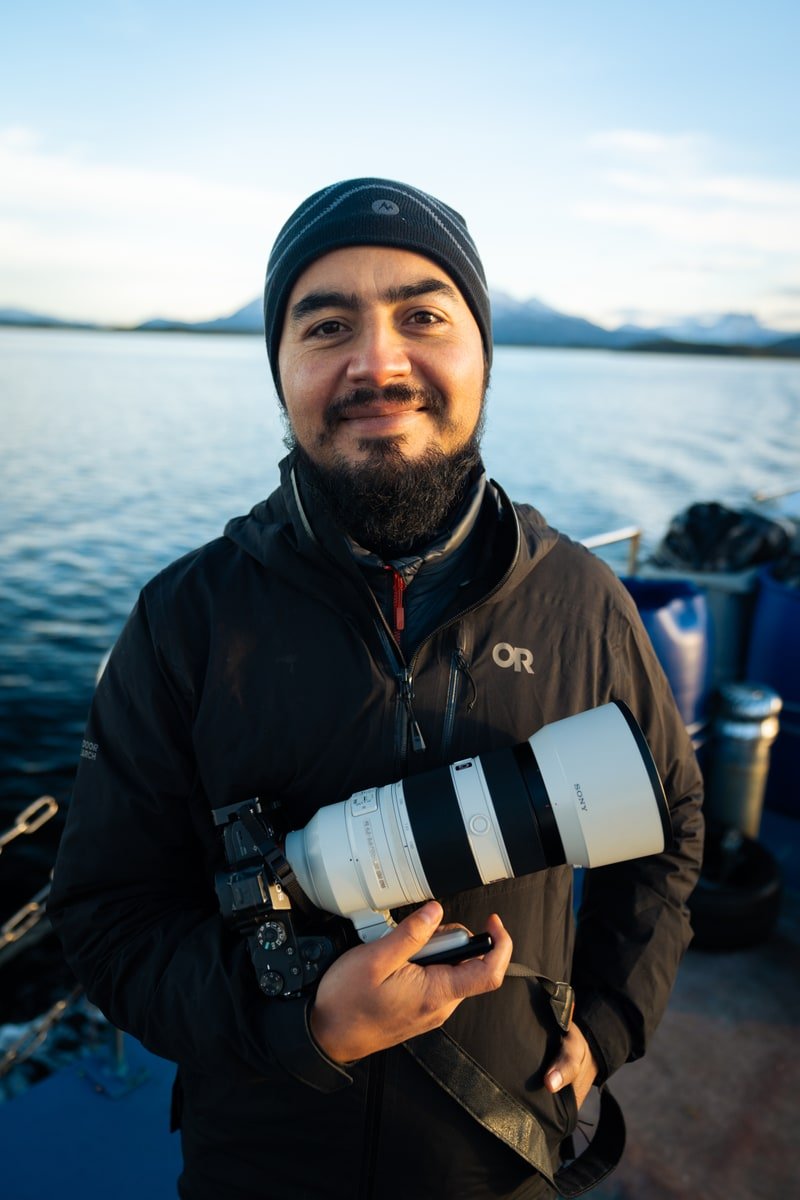
Rodrigo Viveros
Fotógrafo fine art de paisaje y naturaleza, Chile. Sobre mí